Find the starting point before choosing a book
Phonics connects written letters with speech sounds. A child who can name the letters in map may still need help joining their sounds into a word. Watch what your child can do with a word, rather than choosing by age alone.
- Still learning sounds: use the letters from school. Say a sound and ask your child to find its letter. Read stories aloud yourself.
- Knows sounds, but cannot blend yet: model a short word using those sounds, then let your child try with you.
- Can blend short words: check the text of a short book before asking your child to read it.
Try one word before a whole page
For map, point to m, a and p as you say their sounds, then join them to say the word. Use the short a sound heard in cat. Keep consonant sounds brief; avoid adding “uh” after each one. The University of Florida Literacy Institute glossary explains blending and blendable sounds.
If your child cannot yet blend it, say the word and read the sentence together. There is no need to finish a page as an independent reading task.
Use a story to practise, with help where needed
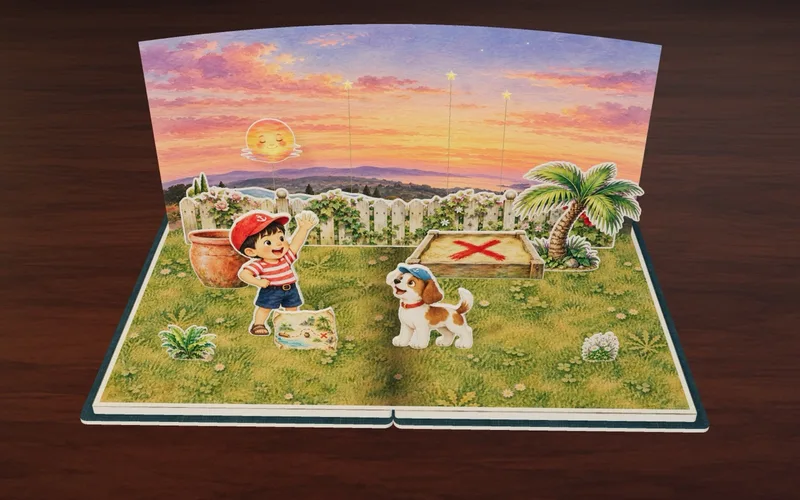
The free book above is from ReadRead Level 1: first sounds. Check its text for spellings your child knows. A Level 1 label alone does not mean every word matches your school’s current lessons.
In I can read, your child can tap an unfamiliar word to hear it at normal or slow speed. Use Read to me when you want narration with word highlighting. Hearing a whole word supports this reading session; it does not show that your child sounded it out independently.
Choose the next sound with school
Ask the teacher for the current sound list and any words to explain before reading. Then compare the short-vowel books or blend books. ReadRead is extra story practice alongside teaching.
England’s Department for Education advises matching practice books to the letter–sound relationships children have already learned in The reading framework, section 7. This is guidance on choosing books, not an endorsement of ReadRead.
Before you read
Do we start with letter names or sounds?
For sounding out a printed word, use the sounds the letters represent. Keep learning letter names too. Ask your child’s teacher which sounds and spellings to practise next.
Is ReadRead a complete phonics course?
No. ReadRead offers stories for reading practice, with narration and tap-to-hear words. Use your school’s phonics sequence to choose practice; a ReadRead level is not a match to a named school programme.
Choose what to read next
Words to practise in this book: map / cap. Your child may meet other unfamiliar words too.